
Work
Devorah helps organisations whose thinking or activity around strategy, learning, or place has become fragmented — scattered across departments, documents, and conversations — and who are seeking a way to bring it together into something they can act on.
Her work spans three areas — strategic direction and design, learning design and frameworks, and practice and direct delivery — each concerned with how knowledge and understanding take root in organisations, communities, and places. Clients have included cultural institutions, civic organisations, and private organisations across the UK and Italy.
Strategic Direction and Design
Devorah works with senior leadership and boards to develop strategic vision and the processes and practices needed to deliver it.
This is rarely just planning work. Organisations at moments of genuine strategic decision — about purpose, direction, public role, or institutional identity — need someone who can hold complexity, ask honest questions, and help translate ambition into something deliverable and understood at every level of the organisation.
Devorah brings a perspective shaped by twenty years across cultural, civic, and private organisations: she understands how institutions learn, how change becomes sustainable, and what it takes for a strategy to take root rather than sit on a shelf.
-
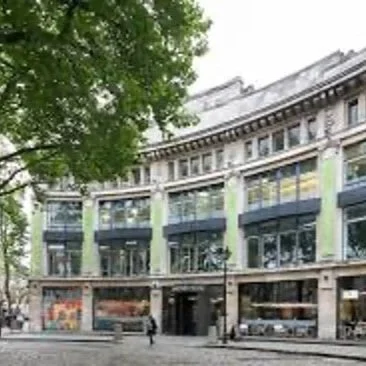
As it approached its 90th anniversary, the Built Environment Trust was seeking to redefine its strategic mission and public role. Devorah worked first as a strategic consultant, helping the Board and CEO clarify their vision and build a strategy for the next phase of the organisation’s work. She subsequently joined as Head of Strategy and Programmes, leading implementation across the organisation.
Central to that strategy was Built Environment Literacy — a concept positioning critical engagement with the built environment as a public capability to be developed across all levels of society, not just among professionals. This concept structured four programme streams: BE Literacy research and framework development, BET Learning, BE Projects community engagement, and BET Digital.
The engagement spanned the full arc from strategic vision to operational delivery, working across all levels of the organisation with Trustees, advisors, and external stakeholders. It also marked the beginning of Devorah’s sustained engagement with the built environment sector, which led directly to the development of Place Literacy.
-
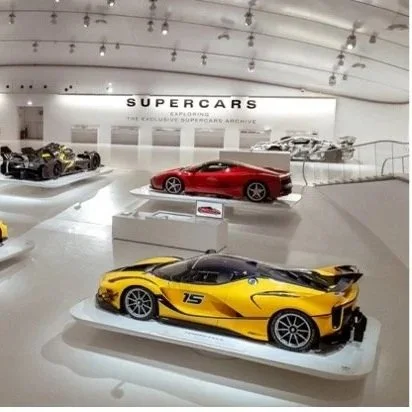
Engaged through Circles Squared to advise on strategic direction, Devorah led a process of interviews and organisational audit, producing a recommendations report addressing the Museums’ ambitions for their next phase of development.
-
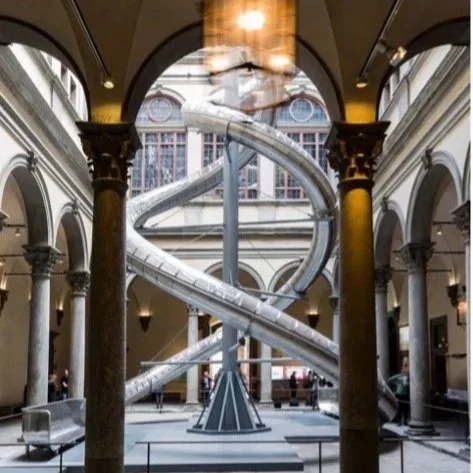
Devorah began working with the Fondazione Palazzo Strozzi in 2008 as a freelance educator, designing and delivering English-language programming at a time when there was no internal learning department. Working under the leadership and vision of Director James Bradburne, she built that function from the ground up — developing the strategy, assembling the team, and embedding learning as a core aspect of the organisation’s identity and public offer.
The learning programme became part of FPS’s international profile, attracting visiting delegations, conference invitations, and sector recognition. Outreach extended to schools across the Region of Tuscany.
The work was as much organisational as programmatic: building something sustainable required changing how the institution understood its relationship to its publics. This later formed the basis of her doctoral research on sustainable organisational change in cultural institutions.
-
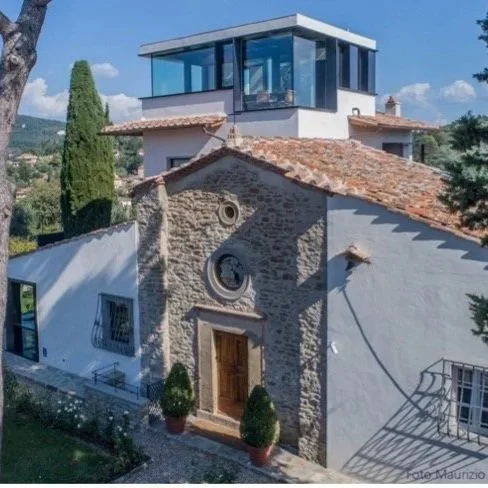
Engaged to work with collector Paolo Fresco on a legacy plan for his private collection — translating a personal vision into a strategic framework for the collection’s future.
-
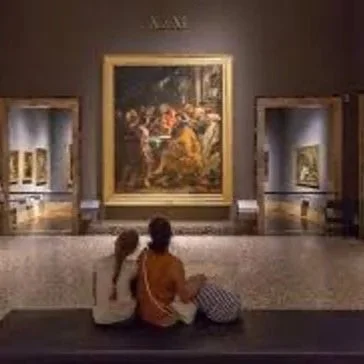
When James Bradburne became Director of the Pinacoteca di Brera, he invited Devorah to work with his new team on learning strategy. Unlike Fondazione Palazzo Strozzi, Brera already had a strong and experienced learning offer — the task was to forge a strategic direction that integrated the existing approach with Bradburne’s vision, within the constraints of a major state institution. The work focused on strengthening the institutional recognition and protections for education services across both the Pinacoteca and the Biblioteca Braidense.
Learning Design and Frameworks
The frameworks, programmes, and materials Devorah develops for organisations share a literacy approach: recognising the need for a shared capability that develops through use, transfers across contexts, and starts from what people already know.
This thread runs from her earliest work with visual and material literacy in museums through to her current focus on Place Literacy. In each case the challenge has been making a complex system of knowledge readable, and transferring that capacity so that others can continue on their own.
Devorah starts from the underlying aims of the organisation or initiative — what it is actually trying to achieve and for whom — before determining the shape of any framework, programme, or resource. The learning design follows from that; it doesn’t precede it.
-
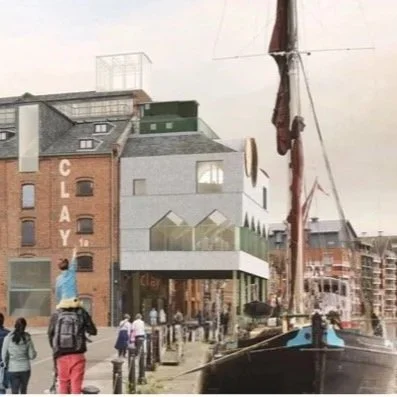
Clay 1A is a new museum for Ipswich, transforming a nineteenth-century grain warehouse on the waterfront into a centre for material exploration, creativity, and civic participation. Devorah was commissioned, with co-author Dr Neal Shasore, to develop a Learning and Community Engagement Framework for the museum’s first phase of operation (2025–2028).
The framework sets out the philosophical and pedagogical foundations for all learning activity, a tiered delivery model calibrated to the museum’s staffing and space constraints, and a community engagement strategy covering partnership model, priority audiences, and delivery rhythms. At its centre is Material Literacy through clay — a learning lens organising five dimensions of understanding across all programme types and spaces — alongside the Ceramics Progression Pathway, a structured route for learners from KS2 through to adult and professional practice.
The document was prepared for funding and partnership development and serves as a reference for the Ipswich Ceramic Foundation, its funders, and delivery partners.

-
CityShaper is a programme developed by the School of Building and LIFT to create pathways into entry-level careers in the built environment, combining an eight-week learning programme with paid industry placements. Devorah developed the architecture for the programme’s learning evaluation framework.
-
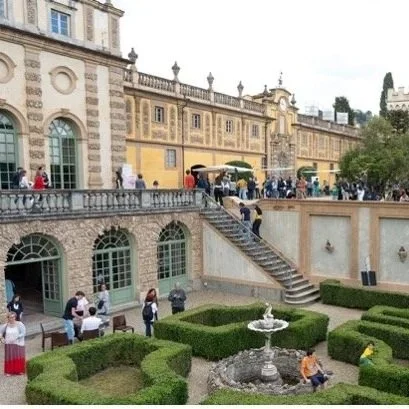
The Historical Archives of the European Union hold the institutional memory of the EU’s founding bodies. Commissioned directly by the Director, Devorah assessed the existing educational programme, proposed new activities, and developed materials for a dedicated section of the HAEU website. The main focus was designing a programme for high school students that used archival documents as primary material for inquiry — making the history of European democracy, politics, and policy-making accessible to young people without simplifying it. The work required developing a pedagogical approach suited to archival material: building the capacity to read, interrogate, and draw meaning from documents as historical and civic objects.
-
Alongside the strategic work, Devorah led the development of BET's learning offer — designing the architecture for a suite of programmes and resources aimed at developing built environment literacy across all ages and levels of society. Most of this work reached detailed design stage before a change in organisational leadership halted implementation.
The centrepiece was BE Building Blocks — a multi-year, scaffolded learning resource running from early years through to sixth form. She also proposed the BE Learning Network — a shared space for organisations already delivering built environment learning to exchange knowledge and build synergies.
The design work was grounded in the BE Literacy concept and tested the proposition that critical engagement with the built environment could be developed as a public capability, not just a professional one.
Practice and Direct Delivery
Some of Devorah’s work begins with an invitation to come in, contribute, and help create something that serves work already in motion.
These are discrete, project-based engagements where she works directly with communities, participants, or organisations — as a designer, facilitator, or critical contributor — bringing her experience to the design and implementation of a bounded piece of work in service of someone else’s strategy.
-
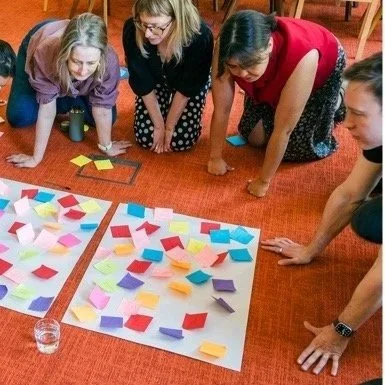
A participatory learning workshop co-designed and co-delivered with Alexandra Whitcombe, founder of Kootuia, combining tools from Place Thinking Strategies, foresight, systems thinking, and regenerative practice around a place-futures scenario. The workshop was aimed at policymakers, practitioners, and community organisers working to shift systems — exploring the relational dynamics shaping places, patterns of reproduction and change, and responsibility toward future generations. The collaboration brought Devorah’s Place Thinking Strategies into dialogue with Whitcombe’s grounding in Māori and Pacific knowledge systems and regenerative co-design, hosted by the Be The Earth Foundation.
-
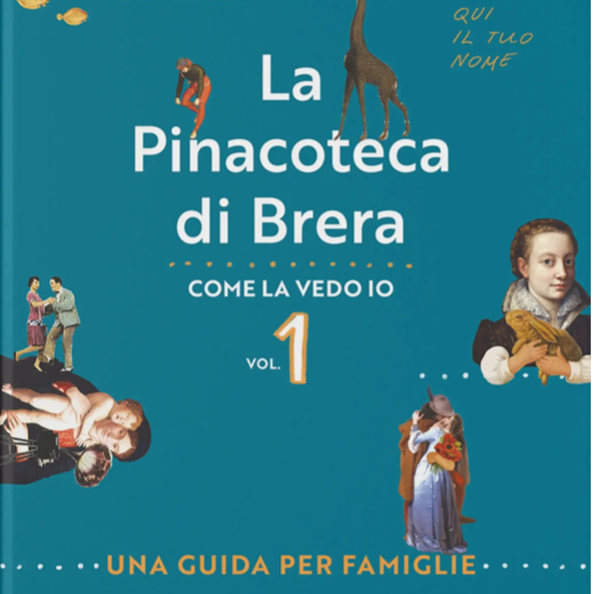
Commissioned by the Pinacoteca di Brera under the direction of James Bradburne, this family guide — published by Skira — was designed to make the museum’s collection accessible to children and families through an inquiry-based approach.
-
Place at the Table: Voices Across Generations, Brent Cross Town (2025)
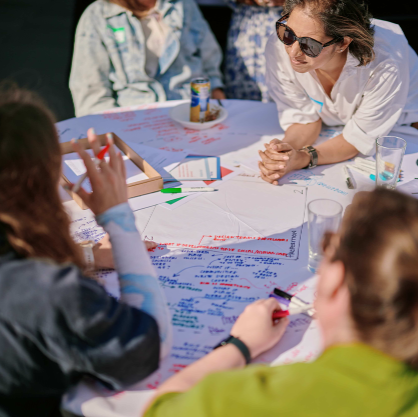
Co-designed and delivered by Devorah Block and Thomas Bryans as part of IF/ Design Labs’ place-based engagement work, Place at the Table brought together more than sixty people during the London Festival of Architecture 2025 — from teenagers to grandparents, community workers to councillors — to explore what it means to thrive together across generations in a place undergoing large-scale regeneration.
The format was simple: sharing food, exchanging ideas, and capturing thinking directly on the table surface. The event was not consultation — it was an invitation to imagine.
The resulting report captured patterns in what matters to people, speculative provocations for intergenerational life, and propositions grounded in lived experience.
-
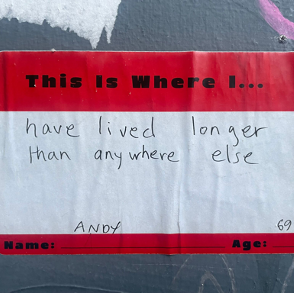
Commissioned by the Brixton Project, this public art pilot invited the local community on Brixton Station Road — an area caught between five simultaneous and largely disconnected regeneration projects — to capture the experiences, memories, and attachments that define the place. Participants placed stickers throughout the street, completing the prompt “This is where I…” The captured traces formed the basis of a jointly run workshop with London textile artist Kim Chin.